



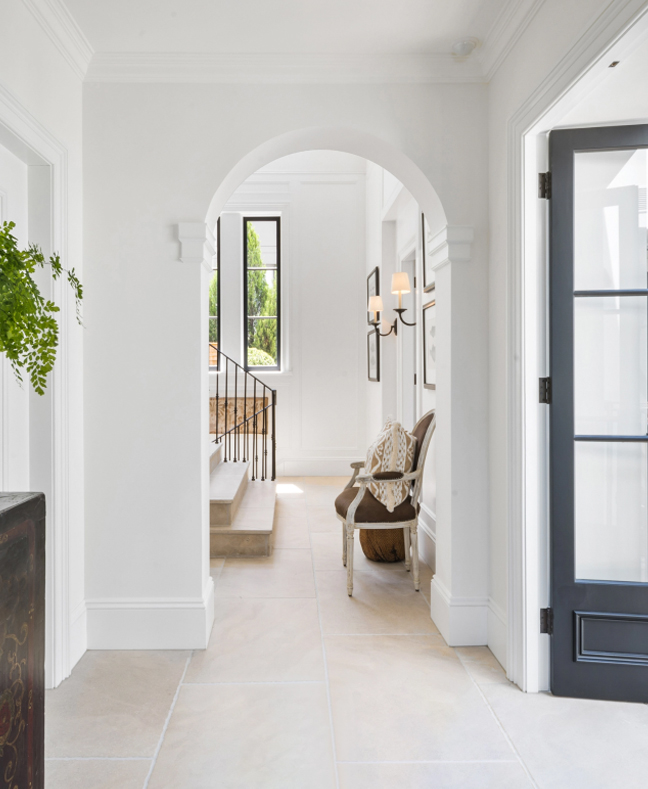
At Sareen Stone, we’ve been supplying premium natural stone to architects, designers, and homeowners for over 20 years. Our team is here to help you choose the right material for your project — below are answers to some of the questions we’re asked most often.
Choosing Natural Stone
- Q1: Why choose natural stone for your project?A: Natural stone offers timeless beauty, authentic variation, and enduring strength. Its unique texture and organic character bring warmth to contemporary spaces while lending lasting appeal to classic designs — much like the ancient Roman structures that continue to stand the test of time.
- Q2: Natural stone vs. porcelain pavers—what’s best?A: It depends on your project. Natural stone delivers an organic aesthetic, natural coolness underfoot, and long-term durability, while porcelain provides a uniform appearance and minimal maintenance. For many designs, the two can also complement each other — pairing stone’s authenticity with porcelain’s practicality.
Selecting Stone Types & Finishes
- Q3: What types of natural stone do you offer, and how do I choose?A: Sareen Stone offers an extensive range including Limestone, Travertine, Marble, Granite, Cobblestones, Stone Wall Cladding, Terrazzo, and Crazy Paving. The best choice depends on your project’s location and purpose — for example, granite suits high-traffic or driveway areas, while limestone and travertine are ideal for pool surrounds and alfresco spaces where slip resistance and cooler surfaces are important.
- Q4: What finishes are available and where?A: For interiors, honed (matte) and polished finishes offer a refined, smooth surface. In outdoor settings, alfresco finishes such as flamed, sandblasted, or bush-hammered provide texture and slip resistance while enhancing the stone’s natural character. Selecting the right finish ensures both aesthetic appeal and long-term performance.
Colour, Samples & Representation
- Q5: Do online photos accurately represent natural stone?A: Images can vary depending on screen settings, lighting, and photography conditions. We recommend viewing a sample (typically 100 × 100 mm) or visiting our Artarmon showroom for the most accurate representation of colour and texture.
- Q6: Are samples representative of the product?A: Yes. Samples are taken directly from our current warehouse stock and provide a reliable guide to colour and finish. However, as with all natural stone, variation is inherent, so we always recommend viewing multiple pieces or visiting the showroom before final selection.
Size, Customisation & Matching
- Q7: What sizes are standard? Can I get custom sizes?A: Standard sizes range from 305×305mm, 610×406mm, 800×400mm, through to 900×600mm and French Pattern formats.
Custom or larger sizes can be produced on request; however, additional lead times apply. Shipping times may also vary depending on the stone’s country of origin. - Q8: Can new stone match existing installations?A: Because natural stone varies in colour, texture, and veining, an exact match is rarely possible. However, our team can tone-match and carefully select material to achieve a harmonious, seamless result that integrates beautifully with existing installations.
Durability & Technical Specs
- Q9: How important are slip ratings?A: Slip ratings are essential for safety and compliance. As a guide, a minimum P3 is recommended for outdoor areas, and P4–P5 for pools and wet zones. All Sareen Stone materials are tested and slip ratings are listed on our website.
- Q10: What about stone thickness and performance?A: Stone thickness directly impacts strength and suitability for different applications. Thicker formats are recommended for high-load areas such as driveways, while standard thicknesses perform beautifully for most interior and exterior spaces. Our team can provide guidance on the ideal specification for your project.
- Q11: What other technical specs matter?A: Key technical factors include water absorption, porosity, density, strength, frost resistance, and surface finish — especially important when specifying limestone. These characteristics determine how a stone performs in different environments. Denser, low-porosity limestone typically offers greater durability, reduced maintenance, and long-term stability in outdoor applications.
Price & Availability
- Q12: Is natural stone always expensive?A: Not necessarily. Pricing depends on the type of stone, selection, quarry source, logistics, and level of customisation. Sareen Stone offers a range of quality options to suit different budgets and project needs.
- Q13: How does the cost compare to porcelain or timber?A: Premium natural stone and high-end timber often fall within a similar price bracket. Porcelain can be more cost-effective — particularly mass-produced varieties — while luxury Italian porcelain tiles can match or even exceed natural stone in price.
- Q14: Can I reserve stock?A: Yes. Stock held in our warehouse can be reserved with a deposit, and incoming shipments can also be secured in advance. For incoming stock, delivery typically takes 12–16 weeks, depending on shipping schedules and the stone’s country of origin.
Installation, Care & Maintenance
- Q15: How should natural stone be installed?A: We always recommend following Sareen Stone’s installation guides and engaging experienced stonemasons or tiling professionals to ensure the best results. Proper installation enhances both the performance and longevity of natural stone.
- Q16: What grout should I use?A: The choice depends on the desired look. Matching grout creates a seamless, continuous surface, while contrasting grout emphasises the stone’s pattern and texture. Always use a grout suitable for natural stone to avoid surface damage or discolouration.
- Q17: How do I maintain natural stone?A: Regular care preserves the beauty of natural stone. Clean with a neutral pH stone cleaner, wipe spills promptly, and reseal periodically based on the stone type and level of use. With consistent maintenance, your stone will retain its appearance and performance for years.
- Q18: Is sealing important?A: Yes. Sealing is essential for protecting natural stone from stains and moisture. A quality sealer helps prevent absorption, prolongs surface life, and gives you valuable time to clean spills before they penetrate the stone.
Design Trends & Inspiration
- Q19: What are the most popular stones right now?A: Current design trends continue to favour light grey and warm beige tones that create a timeless, coastal-inspired aesthetic. Luna Chiaro Limestone and Tavira Limestone remain two of the most sought-after choices — their neutral palettes and natural variation bring understated elegance to both contemporary and classic designs.
- Q20: What about terrazzo – is it natural stone?A: Terrazzo combines recycled marble or granite chips set within a cement or resin base. While not technically a natural stone, it offers a beautiful, sustainable alternative with a similar look, feel, and maintenance profile. Its refined texture and distinctive patterning make it a popular choice for modern interiors.
General & Project-Related
- Q1. How long does it take to finalise a project with Sareen Stone?A. Project timeframes vary depending on stone selection, stock availability, and project complexity. Standard stocked materials can often be supplied within days, while custom orders or imported materials may take 12–16 weeks. Our team will guide you through timelines during the quoting process to ensure your project runs smoothly.
- Q2. What information do I need to provide to get an accurate quote?A. To prepare an accurate quote, we’ll need your project plans or take-offs, required materials and quantities, preferred finishes and thicknesses, and delivery location. The more detail provided upfront, the more precise and efficient the quoting process will be.
- Q3. Can Sareen Stone assist with both residential and commercial projects?A. Yes. Sareen Stone supplies natural stone for residential, commercial, and landscape projects of all scales — from private homes to large developments, retail spaces, hospitality and landscaping environments.
- Q4. Do you work directly with homeowners, or only with architects and builders?A. We work with homeowners, architects, designers, builders, and landscapers alike. Many clients visit our showroom for material selection before their builder or designer finalises the order with us. We’re happy to assist at any stage of the process.
- Q5. What is the typical lead time for natural stone supply?A. For products in stock at our Artarmon warehouse, delivery is usually within a few days of order confirmation. For incoming or custom orders, lead times are typically 12–16 weeks, depending on the stone’s country of origin and shipping schedules.
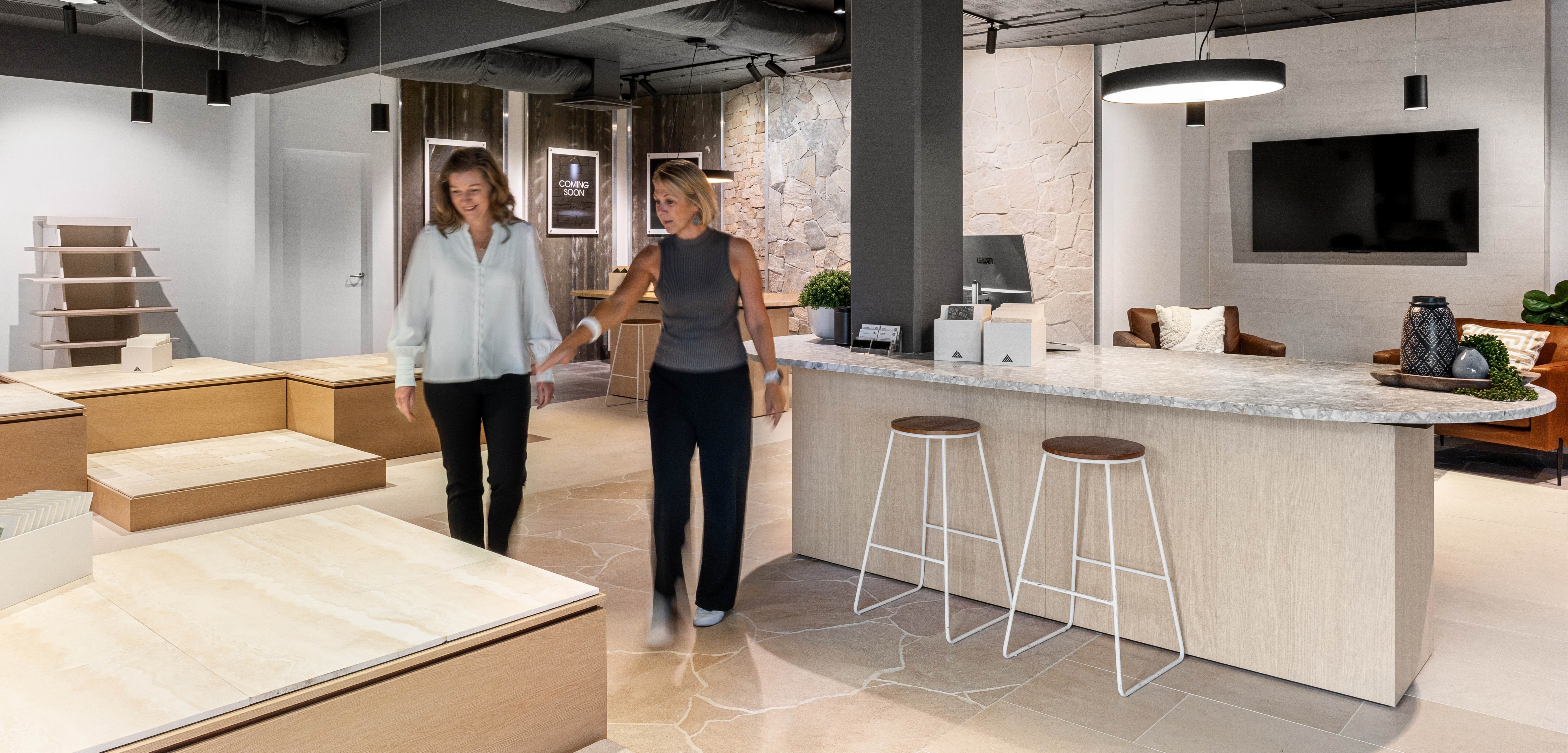
- Q6. Can I visit the showroom to view stone options in person?A. Absolutely. Our Artarmon showroom showcases the full collection, allowing you to see and feel each material’s colour, texture, and finish. Our team is available to guide you through selections and provide samples for your project.
Product & Material
- Q7. What types of natural stone does Sareen Stone offer?A. We offer a carefully curated range of Limestone, Travertine, Marble, Granite, Cobblestones, Terrazzo, Crazy Paving, and Stone Wall Cladding, with formats and finishes suited to both interior and exterior use.
- Q8. How do I choose the right stone for indoor vs outdoor applications?A. Indoor stones are typically finished in honed or polished textures for a smooth, refined look, while outdoor applications require alfresco finishes such as flamed, sandblasted, or tumbled for slip resistance and durability. Our team can advise on the best option for your project’s design and environment.
- Q9. Are your natural stones suitable for high-traffic areas?A. Yes. Many of our stones, such as granite and dense limestones, are ideal for high-traffic zones including driveways, entryways, and commercial environments. We’ll recommend products with the durability and slip rating suited to your project.
- Q10. Do you offer samples before a purchase is made?A. Yes. We offer 100 × 100 mm samples for most materials so you can assess tone, texture, and finish before final selection. Larger pieces can also be viewed in our Artarmon showroom for a more comprehensive look at colour variation.
- Q11. How do Sareen Stone products differ from porcelain or engineered stone?A. Natural stone is unique — each piece features organic variation, depth, and texture that can’t be replicated synthetically. While porcelain and engineered surfaces offer uniformity and low maintenance, natural stone brings authenticity, longevity, and timeless appeal to architectural and landscape design.
Installation & Maintenance
- Q12. Does Sareen Stone provide installation services?A. Sareen Stone focuses on supply only, but we can recommend trusted stonemasons, tilers, and installers experienced in working with our materials.
- Q13. Can you recommend installers or trades for natural stone projects?A. Yes. We can connect you with qualified stonemasons, tilers, and landscapers who have experience working with Sareen Stone materials to ensure professional installation and finish.
- Q14. How should I care for and maintain natural stone surfaces?A. Regular cleaning with a neutral pH stone cleaner, prompt wiping of spills, and periodic resealing will maintain the stone’s beauty and durability. Avoid acidic or abrasive products that can damage the surface.
- Q15. Do Sareen Stone products need sealing, and how often?A. Yes. Sealing is essential to protect natural stone from stains and moisture. We recommend sealing on installation and reapplying as needed — typically every 2–3 years, depending on traffic and exposure.
- Q16. What happens if my stone gets stained or damaged?A. Many marks can be removed using specialised stone cleaners or poultices. For deeper stains or damage, we recommend professional restoration. Our team can advise on suitable products and maintenance specialists.
Delivery, Cost & Sustainability
- Q17. What are the delivery options for orders across Australia?A. We deliver throughout Australia via trusted freight and logistics partners. Orders can be collected from our Artarmon warehouse or shipped directly to site. Our team will coordinate the best delivery method for your project’s timeline and location.
- Q18. How do you ensure the sustainability and ethical sourcing of your stone?A. Sareen Stone partners with reputable international quarries and suppliers that meet stringent standards for ethical labour practices and environmental responsibility. We focus on sourcing from quarries that prioritise sustainability, transparency, and long-term resource management.
- Q19. What factors influence the cost of natural stone?A. Pricing varies based on stone type, quarry source, grade, finish, size, and logistics. Custom orders, cutting, or specialised finishes can also affect cost. Our team can provide tailored guidance to align with your budget and design vision.
- Q20. Do you offer warranties or guarantees on your products?A. Yes. Sareen Stone guarantees the quality and authenticity of all materials supplied. As a natural material, variation in colour, tone, and texture are expected and celebrated as part of the stone’s unique character. Installation, sealing, and maintenance by qualified professionals are essential to ensure performance and longevity.
Need More Help?
- Explore our Learning Hub for detailed guides on selecting, installing, and maintaining natural stone.
- Or visit our Artarmon showroom to experience our full collection in person.
- Have a question not covered here? Contact our team anytime — we’re here to help.